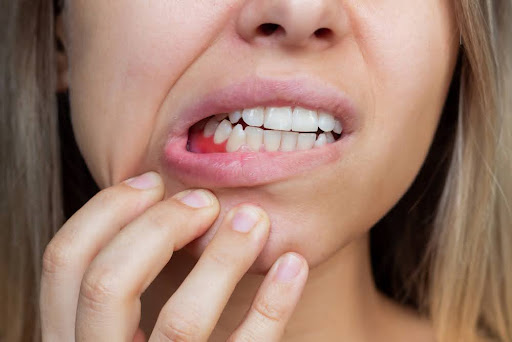
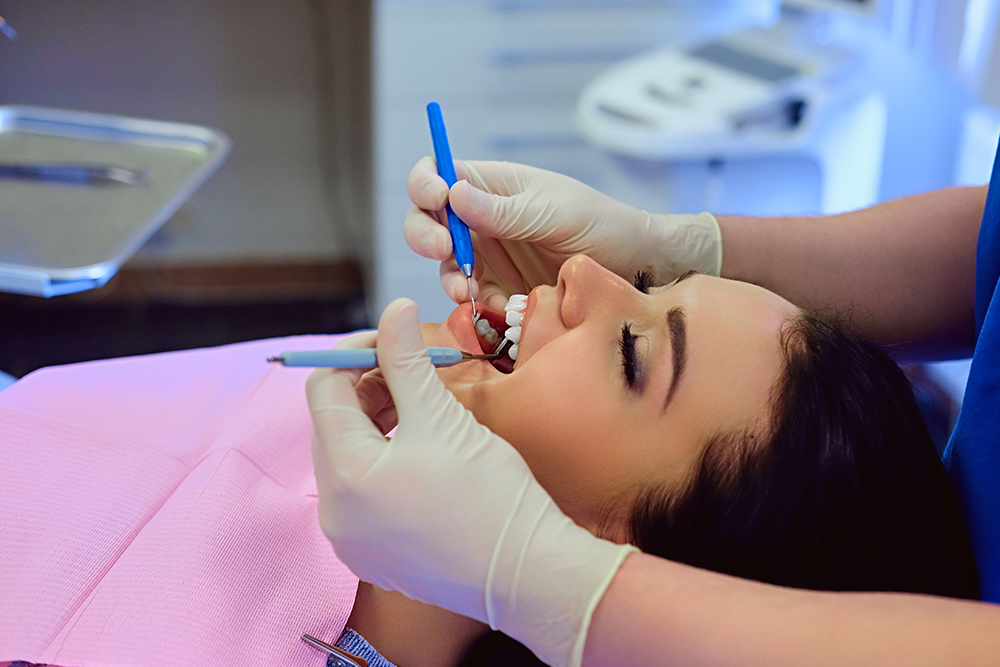
If you’ve been told you have “gum recession” or a “thin gum tissue biotype,” your periodontist may recommend soft tissue grafting. In periodontics, soft tissue grafting refers to surgical procedures that add or reposition gum tissue around teeth or dental implants. The goal is to protect exposed roots, thicken delicate gums, reduce sensitivity, and create a healthier, more stable gum line that supports long-term oral health.
What soft tissue grafting does
- Covers exposed tooth roots caused by gum recession
- Thickens thin or delicate gum tissue to resist future recession
- Reduces sensitivity to hot and cold
- Improves brushing comfort and long-term hygiene
- Enhances the symmetry and appearance of your smile
- Creates a healthier seal around teeth or implants to protect underlying bone
When periodontists recommend it
- Noticeable gum recession or “longer-looking” teeth
- Thin or fragile gums that are likely to recede further
- Root sensitivity or early root wear/decay
- Before orthodontics or dental implants when gum support needs to be improved
- To stabilize the soft tissue around existing implants
Common soft tissue grafting techniques
- Connective tissue graft: The most common method. A small piece of connective tissue is gently taken from the palate (roof of the mouth) and placed over the recessed area to cover the root and thicken the gum.
- Free gingival graft: A thin layer of tissue is taken directly from the palate to increase gum thickness and create a sturdier protective band of tissue.
- Pedicle (lateral) graft: Healthy gum tissue from next to the recession is rotated over the exposed root and secured in place.
- Donor/alternative materials: In select cases, periodontists may use processed donor tissue or other biomaterials to reduce the need for a second surgical site.
What the procedure and recovery are like
- Comfort: The area is numbed with local anesthesia so you stay comfortable. For patients with dental anxiety, sedation may be available when appropriate—ask at your consultation.
- Timing: Many grafts take about 60–90 minutes depending on the number of sites and technique.
- Healing: Early healing usually takes 1–2 weeks. Tissue maturation continues for several weeks, with full stabilization over a few months.
- Aftercare: You’ll avoid brushing the graft site initially, use prescribed rinses, eat soft foods, and return for follow-ups to ensure healthy healing.
Who is a good candidate?
- You see or feel exposed roots or your teeth look longer
- Your gums are thin, inflamed, or pull back when brushing
- You have sensitivity at the gumline
- You’re planning orthodontic treatment or implants in an area with thin gums
- You’ve been diagnosed with periodontal recession
Insurance and costs Many dental plans provide partial coverage for gum grafting when it’s medically necessary (for example, to treat recession, sensitivity, or prevent further tissue loss). Coverage varies—our team can help you verify benefits during your consultation.
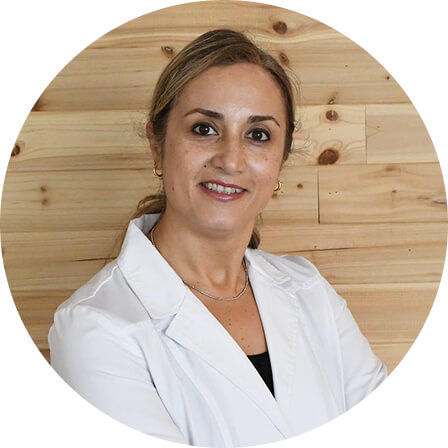
Why patients choose Dr. Ellie Javadi for soft tissue grafting Dr. Ellie Javadi is a periodontist with more than 20 years of experience in gum disease treatment, soft tissue grafting, and dental implants. Patients appreciate her thoughtful, conservative approach and attention to comfort, as well as the practice’s use of advanced techniques and technology for precise planning and predictable healing.
Ready to protect your smile? Soft tissue grafting can stop recession from progressing, reduce sensitivity, and help you maintain a healthy, confident smile for years to come. Schedule a consultation with Dr. Ellie Javadi at Orchid Periodontics & Dental Implants in Edmonds/Seattle to review your options and get a personalized plan.
Call 425-775-2002 or request an appointment online.