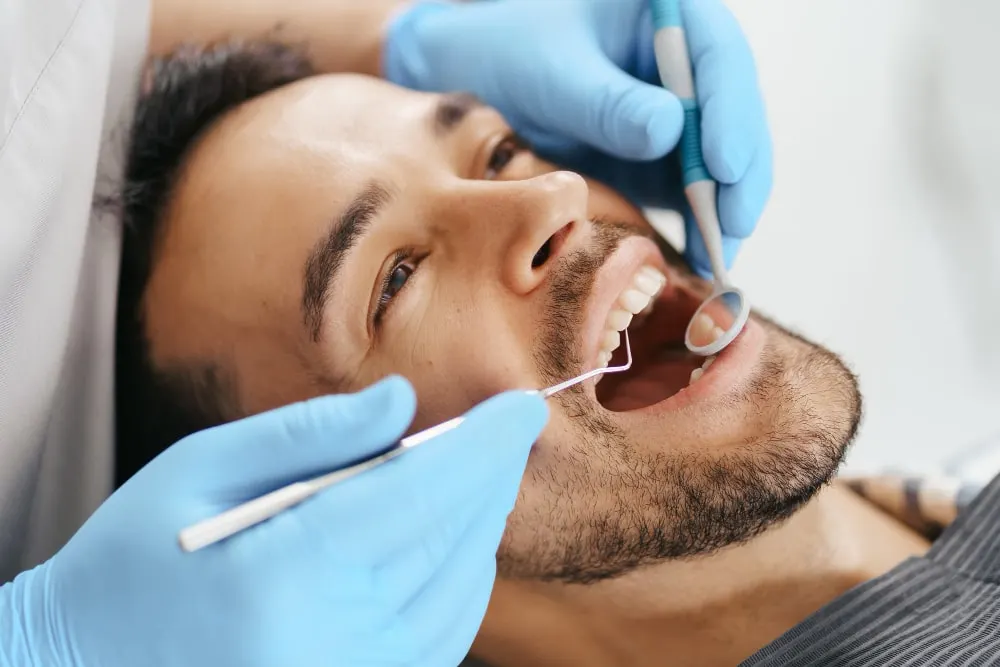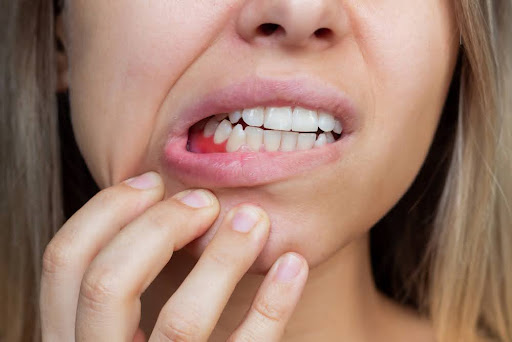
Receding gums affect millions of people and, when left untreated, can cause serious complications. This condition majorly exposes tooth roots, increases sensitivity, and creates an environment where bacteria thrive, ultimately leading to tooth loss. A gingival graft, also known as a gum graft, provides an effective solution by restoring the lost gum tissue and protecting teeth from further damage.
Understanding Gingival Grafts
A gingival graft is a periodontal surgery procedure that involves transplanting healthy gum tissue to areas where gums have receded. Oral surgeons or periodontists perform this treatment to cover exposed tooth roots, reduce sensitivity, and prevent further gum recession. The procedure strengthens the gum line and improves both oral health and smile aesthetics.
Now, what causes gum recession?
There are several factors that cause gum recession that require gingival grafts. Some of them are:
- Periodontal disease: Bacterial infections destroy gum tissue and supporting bone
- Aggressive brushing: Hard bristles and excessive force wear away gum tissue
- Genetics: Some individuals inherit thin or weak gum tissue
- Use of Tobacco: Smoking and chewing tobacco damage gum health
- Grinding of Teeth: Excessive grinding of teeth causes pressure on the gums
- Misaligned teeth: Crooked teeth create uneven pressure on the gums
- Hormonal changes: Pregnancy and menopause also affect gum health
Benefits of Gingival Graft Surgery
A gingival graft helps restore and protect gum tissue, improving both oral health and the appearance of the smile.
- Covers exposed tooth roots, which helps reduce sensitivity to hot and cold foods
- Protects teeth from root decay and wear caused by gum recession
- Strengthens thin or weak gum tissue to slow or prevent further recession
- Improves gum stability, making daily brushing and flossing more comfortable
- Creates a more even gum line for a healthier, more natural-looking smile
- Supports long-term tooth preservation by protecting the underlying bone and roots
Types of Gingival Graft Procedures
There are several types of gingival graft procedures done by periodontists. Each one differs according to the patients. Some of them are:
Connective Tissue Graft
The most common gum graft uses connective tissue from beneath the top layer of the roof of the mouth. The surgeon makes a small flap, removes tissue from beneath, and attaches it to the area that needs more gum tissue. The flap on the roof is then stitched back in place.
Free Gingival Graft
In this method, tissue is taken straight from the roof of the mouth without making a flap. Dentists often recommend this method for people with thin gums who need extra tissue to thicken them.
Pedicle Graft
This procedure, also known as a lateral graft, uses gum tissue from next to the area where the gums have receded. The surgeon cuts a flap, leaves one side attached, and moves it over to cover the exposed root, then secures it in place.
Allograft and Xenograft Options
Some patients receive grafts from donated human tissue (allografts) or animal tissue (xenografts). These alternative options eliminate the need to harvest tissue from the patient’s palate, reducing the number of surgical sites and discomfort.
Signs That Indicate Need for Gingival Grafting
There are some earlier signs that help a patient know whether they need gingival grafting.
- Visible tooth roots or longer appearance of teeth
- Increased tooth sensitivity to hot and cold
- Bleeding gums during brushing or flossing
- Persistent bad breath
- Loose or shifting teeth
- Changes in bite alignment
- Red, swollen, or tender gums
Process involved during the Gingival Graft procedure?
Pre-Surgery Preparation
Before surgery, periodontists will conduct a full dental examination, including X-rays and measurements of gum recession. Patients will receive clear instructions on which medicines to avoid and how to care for their mouths before the procedure.
During Surgery
The surgery usually takes about 60 to 90 minutes and is done with local anesthesia. The surgeon will clean the area, prepare the graft site, and place the new tissue. They will use stitches to hold the graft in place and may put on a protective dressing.
Post-Surgery Recovery
Recovery generally takes one to two weeks. Patients receive prescriptions for pain management and antibiotics to prevent infection. Soft tissue healing continues for several weeks while complete healing occurs over several months.
What is the cost of a Gingival Graft?
The cost of a gingival graft varies depending upon different factors such as:
- The Extent of gum recession
- Number of teeth requiring treatment
- Type of graft procedure
- Geographic location
- Specialist expertise
Many dental insurance plans partially cover gum grafts when deemed medically necessary. Patients need to verify coverage details with their insurance providers before scheduling surgery.
What are the Risks of Gingival Graft?
While generally safe, gingival grafts carry minimal risks:
- Infection at surgical sites
- Bleeding beyond normal expectations
- Graft rejection or failure
- Uneven healing or appearance
- Temporary or permanent numbness
- Scar tissue formation
Selecting experienced periodontists and following post-operative instructions reduces the risk of complications.
Looking to Restore Your Healthy Smile? Talk to a periodontist today
Gum recession should be treated quickly to avoid serious dental issues. At Orchid Periodontics and Dental Implants, Dr. Javadi offers complete gingival graft surgery with the latest techniques. Contact Orchid Periodontics and Dental Implants today to book a consultation and learn how gingival grafting can protect your teeth, reduce sensitivity, and help you smile with confidence.